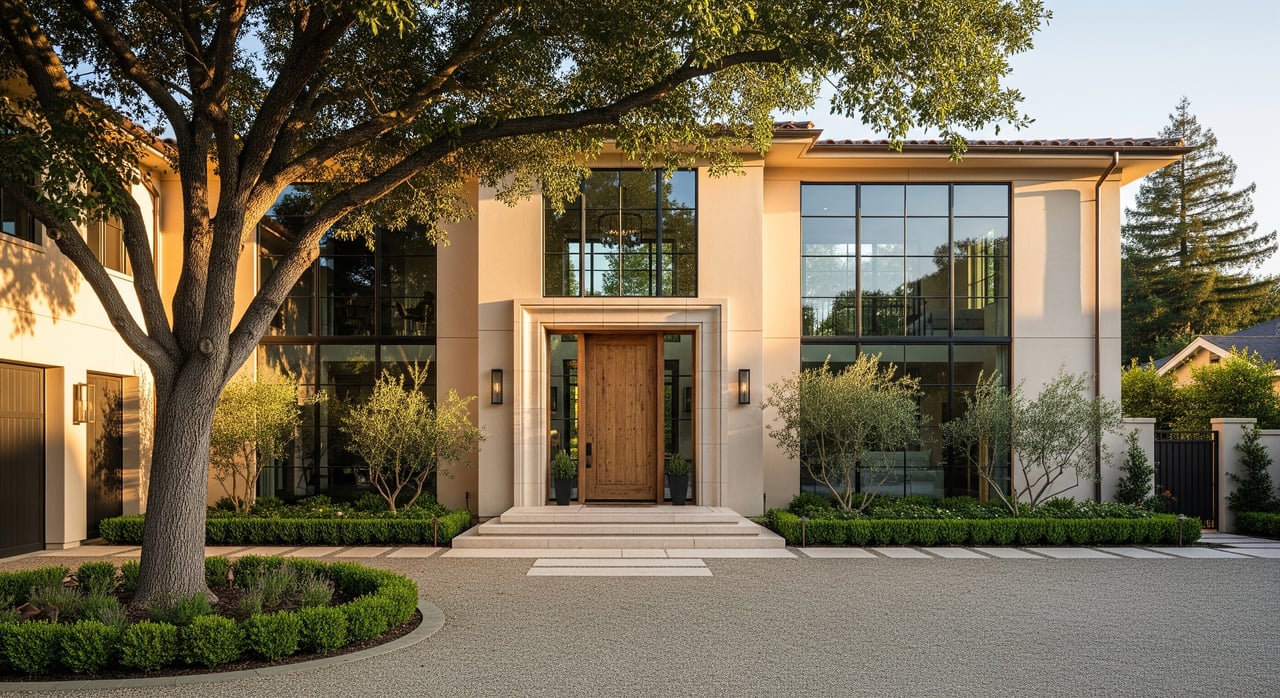
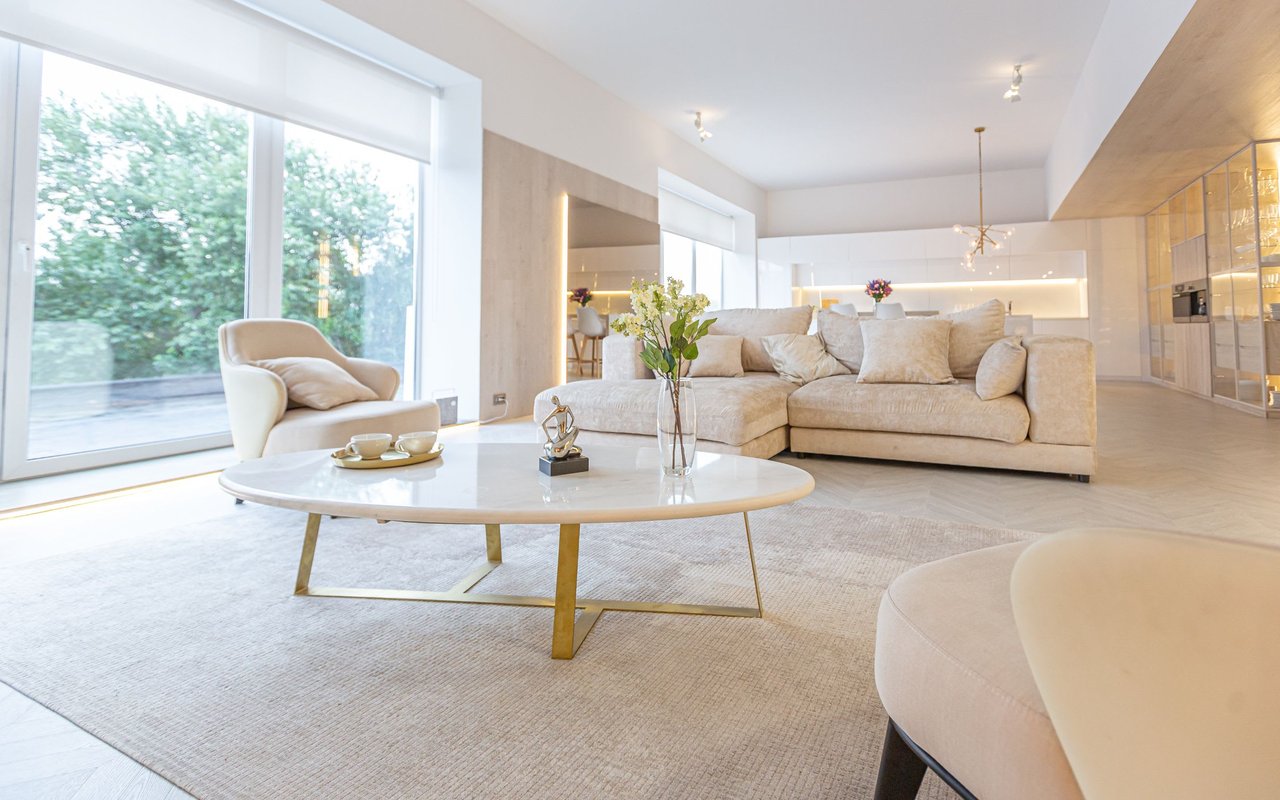
Thinking about selling your Los Altos luxury home and wondering what buyers expect right now? You are not alone. The upper tier moves differently, and the details can shape your price, your terms, and your timeline. In this guide, you will learn how local inventory affects strategy, what today’s buyers look for, how to price with confidence, and which offer terms matter most. Let’s dive in.
Los Altos market context: what to watch
Los Altos is one of Santa Clara County’s highest‑value markets, with single‑family homes and larger lots that attract well‑qualified buyers. The luxury segment has fewer transactions and wider price gaps between active listings and recent sales. That means you should plan around data and timing, not headlines.
Key data to watch before you list:
- Months of inventory and median or average sale price for Los Altos and nearby neighborhoods. Compare to trends across Santa Clara County and Silicon Valley.
- Days on market trends for homes in your price band over the last 3 to 6 months.
- Recent closed comps within 90 days, including any off‑market or overbid outliers.
- The share of sales that closed as cash, financed, or all‑cash investors.
You can track market indicators like MOI, DOM, and cash share using the Redfin Data Center and follow larger price trends on Zillow Research. For statewide forms and best practices, review the California Association of REALTORS, and for national luxury insights consult NAR research and statistics.
Why inventory shapes your terms
When inventory is tight and demand is strong, you can ask for shorter contingency periods, higher earnest money, and appraisal gap coverage. If inventory rises or demand cools, buyers expect concessions, broader inspections, and more time to close. In the luxury tier, appraisals and lender underwriting can be a pinch point for financed buyers because unique homes may lack direct comps.
Who is buying your Los Altos home
Los Altos luxury buyers often include local tech executives and senior managers moving within Silicon Valley, relocating professionals, longtime Bay Area residents trading up or downsizing, and high‑net‑worth cash buyers. Many value privacy, quick occupancy, and reliable due diligence. They look for properties that are easy to live in on day one and easy to maintain over time.
Practical features buyers expect
- Move‑in ready condition with quality finishes, especially kitchens and baths. Updated systems matter.
- Indoor‑outdoor flow, usable yard and entertaining areas, and well‑kept landscaping. Pools or spas are a plus when well maintained.
- Flexible space for a home office or fitness, along with strong Wi‑Fi and smart‑home infrastructure.
- EV charging readiness, energy‑efficient upgrades, and documentation on roof, seismic, and structural items.
- Privacy and security features such as fencing, gates, and screening landscaping.
- Many buyers factor school district boundaries into their search, including Los Altos School District and Mountain View–Los Altos High School District. Keep references factual and verify attendance zones.
Price with precision, not padding
In the luxury segment, pricing high to “leave room to negotiate” can backfire. The buyer pool is smaller, and mispricing can inflate days on market and reduce perceived value. Price close to market based on recent luxury comps and supply, or consider a slightly under‑market strategy if your agent recommends it for a targeted launch.
If your property is unique or comps are sparse, support your list price with neighborhood‑level sales and a clear narrative. Highlight lot size, privacy, views, recent permits, improvements, and location context. Provide this evidence in your marketing and in your appraiser packet once you are under contract.
Prep before you list
Strong presentation attracts qualified buyers and reduces friction during escrow. A clean, complete file can also help you negotiate shorter timelines with confidence.
- Pre‑listing inspections and disclosures. Order a general inspection, plus any relevant specialty inspections such as roof, foundation or structural, pool, or septic where applicable. Disclose findings to reduce surprise requests later.
- Permit audit. Verify permits for remodels and additions, and gather finaled permits if possible. A permit review helps buyers and appraisers.
- Targeted improvements. Focus on high‑impact touch points like kitchens, baths, lighting, paint, flooring, and curb appeal. Address deferred maintenance to support move‑in readiness.
- Staging and professional media. Luxury buyers expect polished staging, high‑end photography, drone images showing lot and setting, twilight shots, video tours, and 3D walkthroughs.
- Complete media package. Prepare floor plans, room dimensions, recent utility averages, HOA documents if applicable, permit records, and your pre‑inspection reports. Make it easy for buyer agents to advise their clients.
Privacy and access planning
If discretion is a priority, align your marketing and showing plan with that goal. Consider controlled broker previews, appointment‑only showings, and a defined window for public exposure. Off‑market options can preserve privacy, although limited exposure may reduce competitive pressure. The right approach depends on your timeline and market conditions.
Offer terms and negotiation specifics
Expect sophisticated buyers and thorough diligence. Plan your terms so you can protect your outcome without adding friction.
- Inspection contingency. Common in luxury deals. If you provide recent inspections and full disclosures, you can often negotiate a shorter inspection period, such as 5 to 7 days.
- Appraisal contingency. Financed buyers may face appraisal gaps when comps are limited. You can request appraisal gap coverage, stronger earnest money, or proof of funds that show the buyer can bridge any shortfall.
- Loan contingency. Many buyers use jumbo mortgages. Verify buyer preapproval with a named lender and product, and request proof of funds for the down payment.
- Home sale contingency. Less common, but possible. Decide in advance whether you will accept this and, if so, set firm timelines or a kick‑out clause.
- Title and HOA review. If your property is in an HOA, provide the resale packet early. If there are easements or unique title items, disclose them upfront.
Earnest money in this segment is often higher in dollar terms. Negotiate the amount, deposit timeline, and whether funds are refundable under contingencies. Shorter escrows are attractive to sellers, while financed or relocating buyers may request 30 to 60 days. Review best‑practice forms and guidance through the California Association of REALTORS and national insights from NAR research.
Managing appraisal risk
Luxury homes often include custom upgrades and large lots that appraisals may not capture well. Help the appraiser by preparing a packet with your comparable sales, detailed upgrades and costs, permits, energy features, and nearby sales that support your price. Consider requesting an appraisal gap clause in the offer if the buyer is financing.
Balancing strength and risk
Waiving contingencies or accepting very short timelines can attract strong offers, but it also raises risk if a hidden defect appears later. Pre‑listing inspections and thorough disclosures are your best defense against disputes after closing. Align the offer you accept with your risk tolerance and the quality of your disclosure file.
Timing in Los Altos luxury sales
Luxury timelines vary with supply, list price, and property uniqueness. You will often see longer days on market at the top end, then a focused escrow period once the right buyer engages. Plan for flexibility around corporate relocation schedules and lender requirements for jumbo loans.
A typical path might look like this:
- Weeks 1 to 2: Inspections, permit audit, and punch‑list planning.
- Weeks 3 to 5: Targeted updates, staging, media production, and marketing launch prep.
- Week 6: On market with defined showing blocks and weekly data reviews.
- Weeks 7 to 10: Offer period, countering, and buyer selection. Timing depends on inventory and price band.
- 30 to 60 days after acceptance: Escrow, appraisals, and closing, depending on financing.
Track your progress with local metrics. Use the Redfin Data Center for inventory and days on market, and follow broader value trends via Zillow Research to keep perspective.
Local rules and logistics
Confirm the local regulations that could affect marketing, disclosures, or buyer plans.
- ADUs and permits. California and Los Altos have specific ADU and permit rules. Verify legality and permit history through the City of Los Altos planning and building pages.
- Trees, landscape, and historic. Some properties are subject to local rules for significant trees or historic features. Check city resources before removing trees or planning exterior changes.
- Taxes and transfer records. Pull property data from the Santa Clara County Assessor and confirm recording and transfer details through Santa Clara County resources.
- Schools. Many buyers consider district boundaries. Keep references factual and verify current attendance zones directly with the districts.
Your seller checklist
Use this list to streamline prep, pricing, and negotiations.
- Property facts: lot size, square footage, year built, major renovations, utility averages.
- Permit history: copies of permits and finals for remodels or additions.
- Inspections: recent general and specialty reports, plus receipts for repairs.
- Title and HOA: preliminary title report, HOA resale packet if applicable, and any surveys on file.
- Media assets: staging photos, drone images, floor plans, video, and 3D tour.
- Comps: a list of recent sales in your price band, with notes on differences such as lot size, privacy, and improvements.
- Lender contacts: preferred jumbo or portfolio lenders who can qualify buyers quickly.
- Timeline: a 4 to 8 week prep schedule for repairs, staging, and launch.
Ready to sell with confidence?
Selling a luxury home in Los Altos is about disciplined preparation, right‑sized pricing, and clear terms that fit the market you are in today. With the proper inspections, a clean permit file, and best‑in‑class presentation, you invite the right buyers and negotiate from a position of strength. If you would like a private, data‑driven plan for your property, connect with Nisha Sharma to request a private consultation and home valuation.
FAQs
How should I price a luxury home in Los Altos today?
- Anchor your price to recent neighborhood‑level comps in your price band, current inventory, and days on market, and avoid padding that inflates time on market.
What pre‑listing inspections add the most value for high‑end homes?
- Start with a general inspection, then add roof, structural, pool, and other specialty reports as relevant, and disclose results to reduce post‑offer friction.
Which contingencies are typical in Los Altos luxury offers?
- Expect inspection and loan contingencies for financed buyers, possible appraisal contingencies, and occasional home sale contingencies with firm timelines.
How do appraisals affect jumbo‑financed buyers in the luxury tier?
- Unique homes can challenge appraisals; request gap coverage, verify funds, and prepare an appraiser packet with comps, upgrades, and permits.
What listing‑to‑close timeline should I expect?
- Plan 4 to 8 weeks for prep and launch, then variable days on market based on supply and price band, followed by a 30 to 60 day escrow for financed buyers.
How can I protect privacy while still attracting strong offers?
- Use controlled showings, limited previews, and a defined launch plan, and weigh off‑market options against the potential upside of broader exposure.