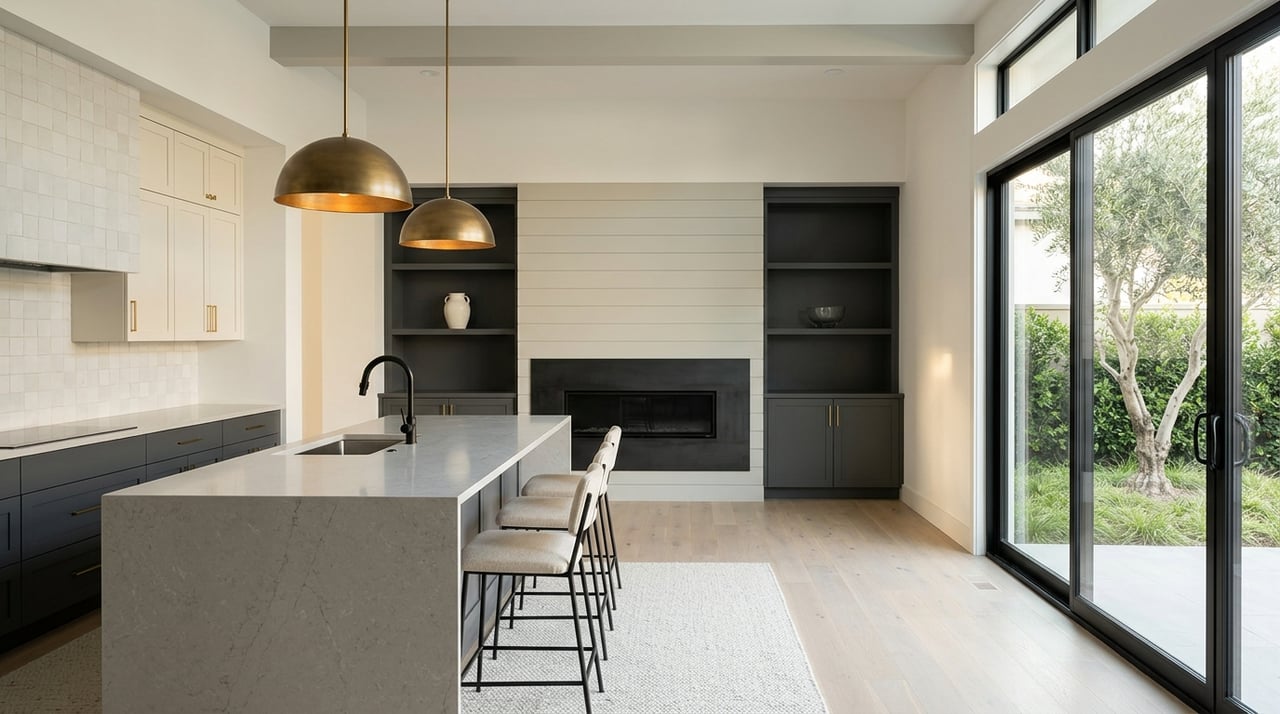
Sunnyvale Single Family Living For Busy Professionals
June 25, 2026
June 25, 2026
Wondering if you can have a single-family home in Silicon Valley without giving up convenience? If your workdays are full and your time is limited, Sunnyvale stands out as a place where you can balance home life, commute access, and everyday ease. For busy professionals, the appeal is simple: a residential setting with strong regional connections and plenty of nearby amenities. Let’s dive in.
Sunnyvale is a technology-centered city with quiet residential neighborhoods, a mild climate, 27 parks, a library, an arts complex, downtown dining, local merchants, and a year-round farmers' market. That mix can be especially appealing when you want a home base that feels settled but still keeps you connected to the rest of Silicon Valley.
The city also offers practical day-to-day advantages. Census data shows a mean travel time to work of 23.0 minutes in Sunnyvale, compared with 26.2 minutes for Santa Clara County. In a region where every minute matters, that difference can add up.
If you are focused on a detached home, it helps to understand Sunnyvale's housing mix. The city's Housing Element says detached single-family homes were historically the largest housing type, but by 2020 multifamily housing had become the majority at 48% of the city's stock.
That means Sunnyvale is not a uniformly single-family city. Instead, it offers specific single-family pockets where supply is limited, which can make these homes especially valuable to buyers who want more privacy, outdoor space, or long-term flexibility.
Sunnyvale is also a high-cost ownership market. Census QuickFacts reports a median value of owner-occupied homes of $1,816,600, and an owner-occupied housing rate of 43.8%. For many professionals, that points to a market where ownership remains meaningful, even as prices reflect strong regional demand.
Sunnyvale's single-family neighborhoods are not one-size-fits-all. The city notes that older neighborhoods often include smaller, more modest homes, many of them one-story, with distinct setbacks, roof forms, garage placement, and front-yard patterns.
For you as a buyer, that often translates into practical choices. You may find homes with a simpler layout, manageable yards, and established streetscapes that fit a busy lifestyle better than a larger property that demands constant upkeep.
Some areas also include well-known mid-century homes, including Eichler properties. Sunnyvale has specific design guidance for Eichler neighborhoods that emphasizes preserving one-story character, roof pitch, carports, wide eaves, and original materials.
If you love architectural character, that can be a real plus. If you are thinking ahead about remodeling, it is important to know that certain exterior changes may need to align with city design standards, and homes in Heritage Resource Districts may face closer review for major alterations.
One reason single-family living can be attractive in Sunnyvale is flexibility. The city allows accessory dwelling units on single-family properties, including attached, detached, conversion, and junior ADUs up to 500 square feet.
That flexibility can matter if you want a private office, guest space, multigenerational living setup, or a way to plan for changing needs over time. For busy professionals, that kind of built-in adaptability can make a home work harder for you.
For many buyers, the real question is not just what the home looks like. It is how easily that home fits into your daily routine.
Sunnyvale's major roadway network includes Lawrence Expressway, Fair Oaks Avenue, Wolfe Road, Mathilda Avenue, Central Expressway, El Camino Real, Fremont Avenue, and Homestead Road. The city states that Lawrence Expressway connects with US 101 and SR 237 through freeway interchanges, and that access to SR 85 is provided via El Camino Real, Fremont Avenue, and Homestead Road.
That roadway structure makes Sunnyvale a logical option if your job or regular travel depends on reach to major Silicon Valley corridors. The city also has Caltrain and VTA service, with two Caltrain stations within Sunnyvale: Sunnyvale Station downtown and Lawrence Station.
If you split your week between office time, client meetings, and occasional remote work, this kind of access can be a major quality-of-life benefit. It gives you more ways to move through the region without feeling cut off at home.
A busy schedule usually makes convenience even more important. Sunnyvale's parks and recreation system includes 27 parks and 772 acres of parks and open space, offering easy options for a walk, workout, or family outing close to home.
The Community Center adds more everyday value, with performing and creative arts centers, an indoor sports center, a senior center, and the Sunnyvale Historical Museum. When amenities are nearby, it is easier to fit recreation and community activities into an already packed week.
Downtown Sunnyvale and Murphy Avenue also add energy to the city. The area is described by the city as a dining and entertainment destination, with frequent art festivals, concerts, and a year-round farmers' market.
Sunnyvale also has more than 200 public art pieces and self-guided walking tours in several parts of the city. For professionals who want an easy transition from work mode to personal time, that kind of local activity can make a big difference.
Some buyers want more than a house. They want a place that feels rooted and cared for.
Sunnyvale supports neighborhood associations and neighborhood grants. While every block is different, that civic structure helps explain why many single-family areas feel established rather than temporary.
That can matter if you are looking for a home where the surroundings feel consistent over time. For professionals making a major purchase, that sense of continuity often adds confidence to the decision.
If you are weighing several Silicon Valley options, Sunnyvale often lands in a useful middle ground. Census data places Sunnyvale's median owner-occupied home value at $1,816,600, compared with $1,582,600 in Santa Clara and $1,927,000 in Mountain View. Cupertino is above $2,000,000.
Sunnyvale's owner-occupied rate of 43.8% is also above Santa Clara's 40.8% and Mountain View's 38.6%, though below Cupertino's 61.3%. For a buyer seeking a detached home near major employment centers, those numbers suggest Sunnyvale can offer a balanced option within the broader South Bay landscape.
In simple terms, Sunnyvale may appeal to you if you want access, established residential pockets, and a single-family search that can feel more attainable than some nearby alternatives, while still remaining firmly in a premium market.
Single-family living in Sunnyvale can be a strong fit for busy professionals, but it helps to go in with a clear plan. A focused search usually starts with a few priorities:
When your schedule is tight, clarity matters. The more specific you are about how you live from Monday morning through the weekend, the easier it becomes to identify the right pocket of Sunnyvale and the right type of home.
Sunnyvale offers a compelling mix for professionals who want a detached home in the heart of Silicon Valley. You get meaningful access to major roadways, Caltrain and VTA service, established residential areas, and a citywide amenity base that supports life beyond work.
At the same time, the city's single-family inventory is not unlimited, and neighborhood character can vary from one area to the next. That is exactly why local insight matters when you want to move efficiently and make a confident decision.
If you are exploring single-family opportunities in Sunnyvale and want thoughtful, high-touch guidance tailored to your goals, connect with Nisha Sharma for a private consultation.
Whether you are buying or selling a home. I'm here to help.
Get In Touch With Nisha To Learn More
Nisha Sharma
[email protected]
(650) 492-9263
CA DRE# 01746077
161 S. San Antonio Rd. Los Altos, CA 94022