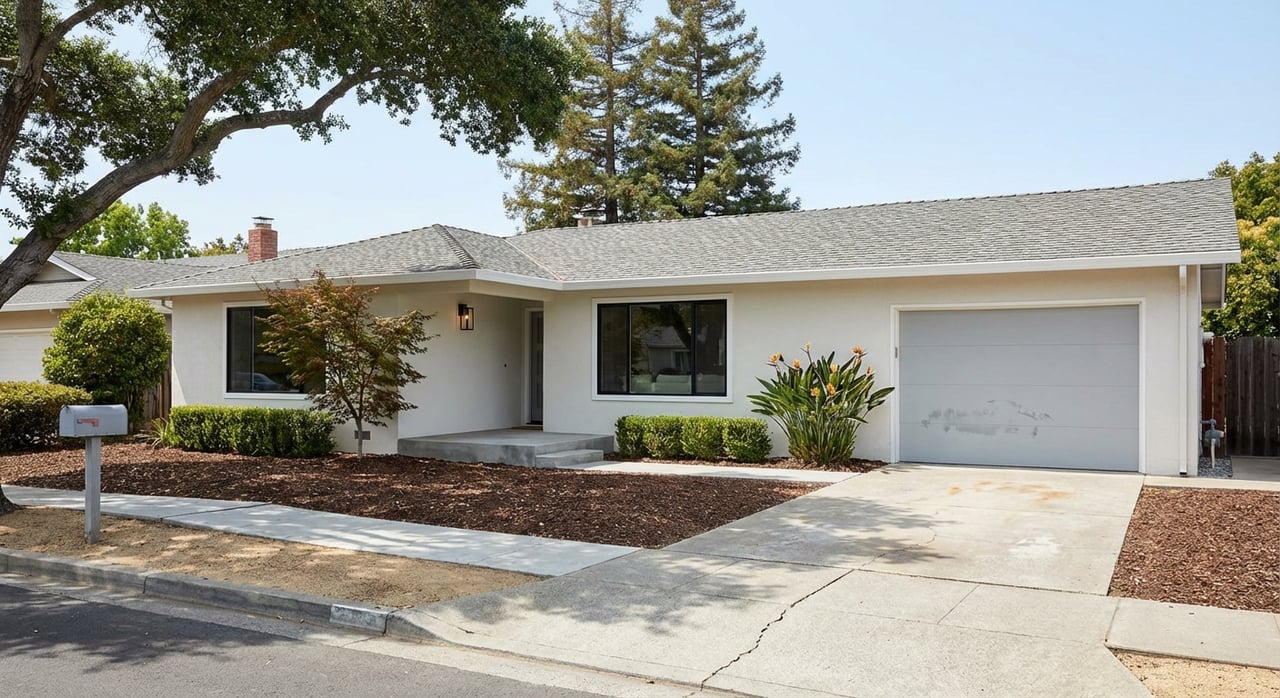
Relocating To Palo Alto For Work: Housing Overview
February 19, 2026
February 19, 2026
Relocating for a new role in Palo Alto can feel exciting and overwhelming at the same time. You want a clear picture of what a single-family home will cost, how fast you need to move, and what it takes to win the right property. In this overview, you’ll get a grounded look at current prices, neighborhood tiers, typical timelines, and offer strategies that work in this market. Let’s dive in.
Palo Alto is a high-value, low-inventory market where medians swing month to month. Recent snapshots show a citywide median sale price around the low-to-mid $3 millions, with multiple offers and relatively quick closings in active periods. Zillow’s smoothed index places typical values a bit higher than short-term medians because it blends housing types and dampens volatility. The gap between these measures is normal and reflects different methodologies.
Ultra-luxury sales also shape the story. A local year-end summary reported that homes priced at $5 million and above made up roughly 28% of single-family sales in 2025, with several $10 million-plus closings in recent years. That high-end concentration pushes medians around and can inflate price-per-square-foot readings in small sample months. You can see this luxury skew in recent neighborhood reporting from the Midpeninsula press, including coverage that calls out Crescent Park and Old Palo Alto as consistently premium enclaves (neighborhood snapshot and luxury share).
Thinking in price bands is more practical than chasing a single number. Lot size, condition, and micro-neighborhood all move the needle.
You will often find smaller bungalows, older ranch homes, and some properties best suited for renovation or rebuild in this range. Inventory appears in parts of Midtown, Barron Park, and College Terrace over time. Expect tradeoffs on lot size, age, or proximity to commercial areas to stay within budget.
This is where many relocating families focus. These homes tend to offer more space, updated interiors, or a more central location relative to downtown and campus. The exact price depends on lot size, condition, and street-level context.
Old Palo Alto, Crescent Park, and select Downtown blocks commonly command $6 million and higher, with some homes selling far above that in recent years. Large lots, architectural pedigree, and location convenience drive pricing. Recent neighborhood roundups consistently place Old Palo Alto and Crescent Park at the top of the local price spectrum (local year-end review).
Many Palo Alto subdivisions feature lots around 5,000 square feet, with mid-Peninsula norms in the 4,000 to 7,000 square foot band. Premium pockets such as parts of Old Palo Alto often have 8,000 to 15,000 square feet or more, while some Downtown blocks trend smaller. Always verify individual lots during your search since sizes vary by street.
In active periods, well-priced listings often attract several bids within days and sell quickly. Local reporting also shows a meaningful share of all-cash purchases at the high end, which shapes seller expectations in the luxury tier. That said, clean financed offers still win often when terms are strong.
Price matters, but certainty is what sellers value. A pre-underwritten loan, strong proof of funds, a meaningful earnest money deposit, and clear timelines help your offer stand out. Consumer finance and lender guides outline strategies like tightening contingency windows, using escalation clauses with a clear cap, and preparing appraisal-gap language where appropriate (bidding war tactics, earnest money signals).
At the upper end, sellers often prioritize discretion, speed, and minimal contingencies. Local summaries have noted a high share of cash purchases in recent years, especially for premium properties. If you are financing at the luxury level, a polished offer package and a lender who will speak to the listing agent can narrow the gap.
Shorter contingencies increase competitiveness, but you should balance speed with protection. Where available, review seller pre-listing inspections or conduct your own pre-offer inspection so you can write a cleaner bid with greater confidence. Industry resources detail how pre-listing inspections reduce surprises and improve deal certainty (benefits of pre-listing inspections).
Competition remains active, though some Midpeninsula segments saw less overbidding by late 2025 compared with peak periods. Month-to-month dynamics change quickly, so pair your search with current neighborhood reports to know when to push and when to hold firm (recent Midpeninsula bidding trend).
Palo Alto’s mean travel time to work is about 22.9 minutes, according to the U.S. Census. That reflects the concentration of jobs on the mid-Peninsula and helps you frame neighborhood choices around your commute tolerance (Census QuickFacts).
Caltrain serves Palo Alto and offers reliable north-south service. Depending on the schedule, you can often expect about 35 to 60 minutes to San Francisco and roughly 20 to 35 minutes to San Jose on express or limited-stop patterns. Always check the current timetable for exact runs (Caltrain overview).
US-101 and I-280 are the main corridors. Peak traffic can add time, so many buyers prioritize proximity to work or Caltrain for predictability. Palo Alto also supports active cycling, with the city recognized as a Gold-Level Bicycle Friendly Community, which may matter if you value bike-to-work options (city recognition).
Use this checklist to move efficiently and compete well:
Palo Alto rewards preparation. If you align your budget to realistic tiers, get fully underwritten early, and target two to three neighborhoods that match your commute and space needs, you can compete confidently. In this market, clean, timely, and certain offers matter as much as price. When you are ready to make a move, work with a seasoned local advisor who can customize strategy by block and price band.
If you are relocating for work and want a private, data-backed plan for your search, connect with Nisha Sharma for a confidential consultation.
Whether you are buying or selling a home. I'm here to help.
Get In Touch With Nisha To Learn More
Nisha Sharma
[email protected]
(650) 492-9263
CA DRE# 01746077
161 S. San Antonio Rd. Los Altos, CA 94022